The Blunt Verdict: Notes from the Wrong Side of a Music Shop Counter

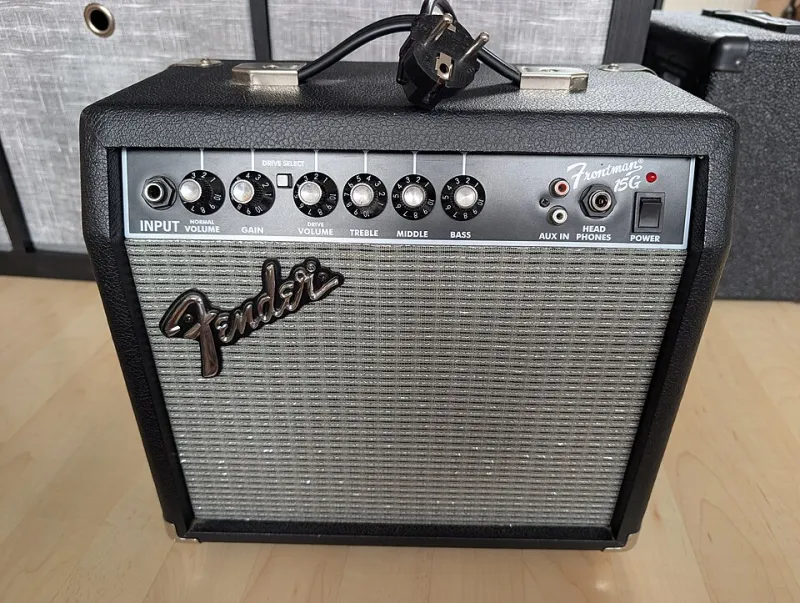
Photo: Rburtonresearch, CC BY-SA 4.0, via Wikimedia Commons
There is a particular smell to a good instrument shop. Lemon oil, old valve dust, a faint whiff of solder and the ghost of a hundred cups of tea. You notice it before you notice the guitars. It is the smell of a room where things get fixed.
I was in one such room a few weeks back, on a Saturday morning, watching a man in his sixties explain to a teenager why his brand-new pedal was not, in fact, broken. The pedal was fine. The power supply was wrong. The teenager looked like he'd been handed a reprieve from a judge. Two minutes of conversation, no sale, both parties happier. That transaction has never appeared on any invoice and it happens in these shops every single day.
The Part of the Shop That Isn't for Sale
We talk about music shops as retail. Rows of guitars on the wall, a rack of leads, a glass cabinet of things with prices that make you wince. But the actual product, the thing people come back for, is judgement.
Ask a decent shop assistant whether you should buy the fifteen-watt or the thirty-watt and you will not get a brochure. You will get questions. What are you playing? How loud is the drummer? Are you mic'd up? Have you considered that you might be buying the wrong thing entirely? It is closer to a GP's appointment than a checkout.
I have watched this save people money, and I have watched it save people tours. On one occasion, a shop in the north of England talked a friend of mine out of an amplifier he had already half-paid for, because the impedance didn't match his cab and he'd have cooked it inside a fortnight. He walked out with a lead and a diagram drawn on the back of a receipt. He still has the receipt.
Repairs Are the Second Education
If the counter is where the advice lives, the back room is where the craft does. Frets, nuts, setups, wiring, the endless small adjustments that stand between a playable instrument and a painful one.
Most working musicians I know have learned more about their instruments from conversations with repairers than from any book. You hand over a guitar with a buzzy third fret and you get a lesson in relief, action and what a truss rod actually does. You come back a week later and the guitar plays like a different object. That is not a service in the way a website means it. It is a kind of apprenticeship, offered by the hour and paid for in cash.
And there is something quietly radical about a shop that will tell you the truth about a repair. The good ones will say: this isn't worth doing, put the money towards something else. The bad ones will take the job. You learn to spot the difference, and you learn it from other musicians, which is how most local knowledge moves around anyway.
Denmark Street and the Shops That Aren't There
London's Denmark Street still carries the reputation, and rightly, as a piece of genuine music-shop history — the street where guitars were sold, songs were written and a certain kind of London music life happened for decades. But the more interesting shops now are often the ones nobody writes about: the units on industrial estates, the rooms above a carpet shop in a market town, the place with the hand-painted sign and the dog asleep behind the counter.
These are the ones holding the line for players who cannot get to the city, or who don't want to. They are not nostalgia. They are infrastructure.
What Five Minutes at the Counter Actually Saves
People talk about the cost of gear as if it were only money. It isn't. The expensive mistakes are the ones that cost you a gig, a recording session or a week of your life.
A few things I have seen a counter conversation prevent, in no particular order: a valve amp run at the wrong load; a bass bought with a twisted neck because the buyer only looked at the front; a young band spending their whole first fee on a PA that was too big for every room they'd ever play; a singer buying a microphone that flattered nobody's voice. Every one of those was stopped by someone behind a counter saying the thing nobody wants to hear, which is: not that one, mate.
In Praise of the Blunt Verdict
Online retail is very good at selling you what you searched for. It is not built to tell you that you searched for the wrong thing.
That is why I keep going back. Not out of sentiment, though there is some of that. I go because I want to be in a room where someone has an opinion and no incentive to sell me the most expensive version of it. Where the answer might be a second-hand instrument, a cheaper model, or a suggestion that I go home and practise instead. There is no affiliate link on the end of that sentence, and that is exactly the point.
So the next time you need a set of strings, go in. Ask the daft question. Take the advice, even when it stings. Buy something small if you can, because the counter that teaches you things has to survive somehow, and the tea doesn't make itself.
If you're lucky, you'll leave with a lead, a diagram on the back of a receipt and the faint smell of lemon oil on your hands. That's a good Saturday.