The Chair-Stack Index: Reading a Gig After the Last Note
It is twenty past eleven in a village hall somewhere off the A-road. The last song has ended, the applause has done its decent thing, and the lights are still on. The singer is crouched by an amp, trying to remember whether the crackle is a cable or a confession. A caretaker in a fleece is hovering near the kitchen door with a set of keys. This is the part of the night that never makes the poster.
I have come to think of the load-out as the real encore. Not because it is noble, or because anyone should be thanked for basic tidiness, but because it is the point where the evening stops being a performance and becomes a small test of character. Applause is easy. It costs nothing and can be done from the doorway. Stacking chairs is a choice.
The second performance
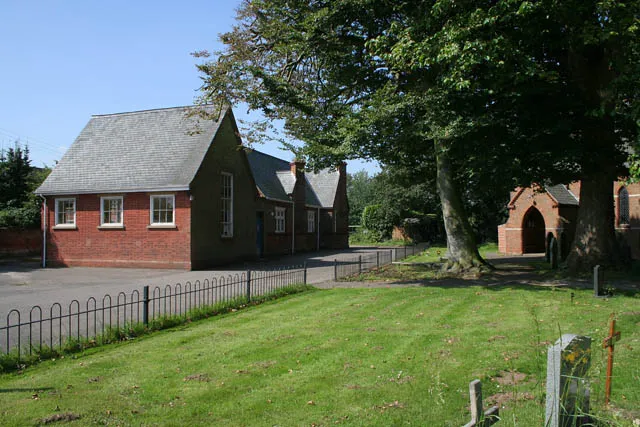
A gig in a UK village hall or community centre is a loan, not a right. The room has a caretaker, a rota, a cupboard full of folding tables and a neighbour who will notice if the bins are left out. The social contract is unwritten but perfectly clear: you get the room for a few hours, and you leave it as you found it. The bands get the spotlight. The promoter gets the worry. The caretaker gets to go home at some point.
What interests me is who stays for the unglamorous bit. Not the bows, not the merch table, not the bit where someone says they must get the last train. The bit with the cable coils and the chair trolley. That is where you find out whether a scene is a crowd or a community. A crowd can fill a room. A community can empty it.
A small taxonomy of stayers
I have been keeping a mental tally for years, and it breaks down roughly like this.
- The core: the band, the promoter, the sound person, maybe a partner or a mate who has been drafted in. They are obliged to stay, but obligation is not the same as presence. Some people do the work. Some people stand near the work.
- The habitual: the local regulars who always seem to be there at the end. They know where the chair trolley lives. They know that the kitchen tap needs a quarter-turn to stop dripping. They are the quiet infrastructure of the evening.
- The unexpected: someone from the audience who simply starts stacking. They have no stake in the gig beyond having enjoyed it. They are gold. They are also, in my experience, usually over fifty and wearing practical shoes.
- The ghost: the person who vanishes the moment the last chord rings out. I am not judging. Last buses exist. Babysitters exist. Social batteries run out. But if the whole room is ghosts, the room is telling you something.
None of this is a court. People have lives, and a DIY gig is not a moral exam. But patterns matter. If the same three people are always left with the chairs, the scene is running on goodwill and a small number of backs.
What the room tells you
The chair stack is a surprisingly honest document. Chairs stacked in neat towers of six, with the trolley loaded and the fire exit clear, suggest a room that has been borrowed with care. Chairs left in a heap by the stage, with a pint glass on the windowsill and a gaffer tape curl on the floor, suggest something else. Not malice, usually. Just the assumption that someone else will do it.
I have played support slots where the headline band's crew quietly cleared the stage while we were still packing our own gear. I have played rooms where the promoter was the last person standing, sweeping up crisps with a dustpan and a look of profound patience. I have also played rooms where the audience stayed to help, and I have to tell you, that is the memory that lingers. Not the applause. The person who asked where the chairs go.
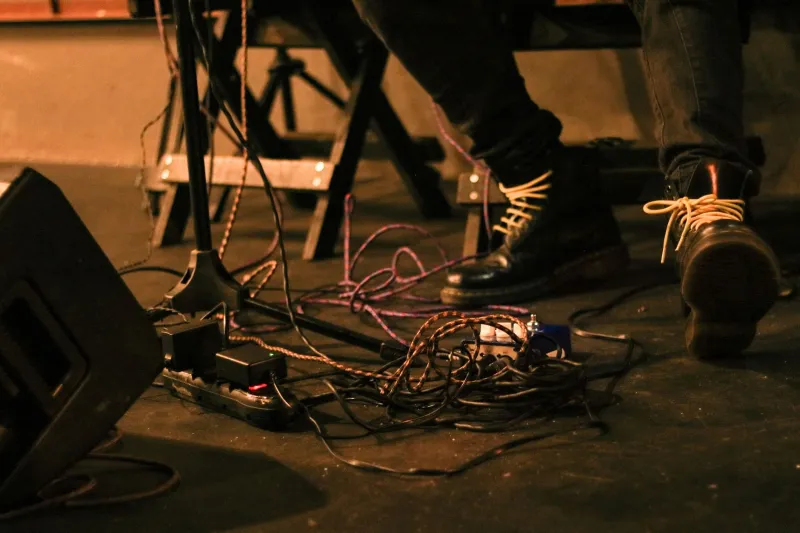
There is a particular etiquette to the load-out. Ask before moving someone else's gear. Coil cables over-under, not in a knot. Do not put a wet glass on a piano. Do not block the fire exit with a flight case, even for a minute. Thank the caretaker by name if you know it. These are small things. They are also the things that get you asked back.
The unpaid second performance
The load-out is unpaid, unlit and largely unseen. It is also where trust is built. Promoters remember who stayed. Venues remember who left the kitchen in a state. Other bands remember who helped carry the bass cab up the steps. In a small scene, memory is the main currency. You are not just packing up a gig. You are making a case for the next one.
This autumn, with room hire costs edging up and fewer people willing to take on the promoter's clipboard, that case matters more than ever. The health of a DIY scene is not really measured by how many people turn up. It is measured by how many people stay when there is nothing left to watch. The applause is a response to the performance. The load-out is a response to the hospitality.
So here is my field guide, such as it is. Stay for one more task than you think is yours. If you are in the audience and you have had a good night, ask if there is anything you can carry. If you are in a band, do not disappear while the support act is still coiling cables. If you are the promoter, buy the caretaker a cup of tea before they ask for one. And if you are the person who always seems to be left with the chairs, know that someone noticed. Even if they did not say so.
The lights go off one by one. The caretaker locks the door. Someone carries the last chair across the car park in the dark. That is the real encore. It does not get a review, but it is the reason there is a room to play in next time.