Staples, Sellotape and Scene Memory: The UK Gig Poster as Archive
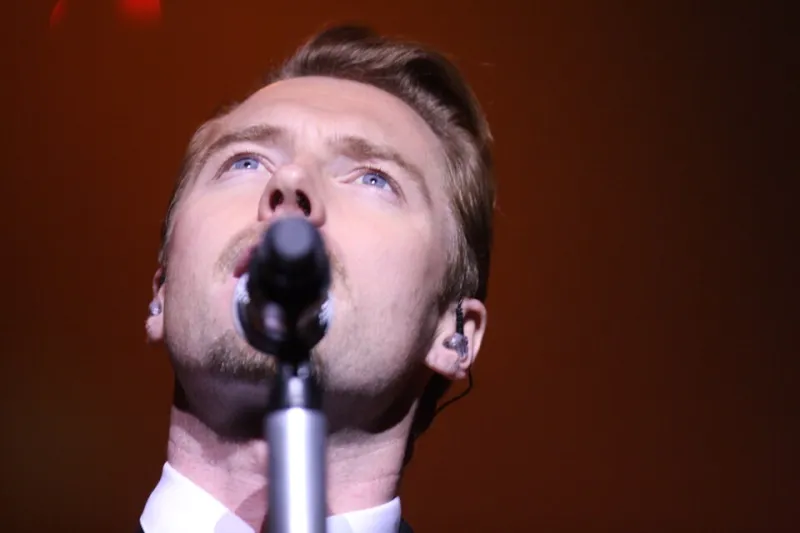
Photo: Eva Rinaldi, CC BY-SA 2.0, via Wikimedia Commons
There is a box file in my room that smells faintly of old toner. It is not valuable in the way that a signed record or a first pressing is valuable. It is a stack of gig posters, flyers, handbills and the occasional beer-stained set list, collected over years of going to small rooms above pubs, downstairs in record shops and in arts centres with squeaky doors. Some of it is falling apart. All of it is evidence.
The official history of a music scene tends to arrive later, polished and sensible. It names the important bands, the key venues, the turning points. The paper trail tells a messier story. It shows who was playing on a Tuesday in Leeds, who designed the flyer for free, which promoter was willing to staple a hundred copies to lamp posts in the rain, and which pub landlord said yes when everyone else said no. In 2026, that paper trail is still being made, even if it now sits alongside a QR code and a story that disappears in twenty-four hours.
The box file as a counter-archive
My collection is not systematic. I did not start it as an archive. I started it because I liked the way certain posters looked and because I felt guilty throwing them away. There is a risograph print from a Glasgow gig in 2019, all pink and green misregistration. There is a photocopied flyer for a night in Sheffield with a hand-drawn amp and a phone number that no longer works. There is a poster for a fundraiser in Bristol where the typography is so enthusiastic and so wrong that it has become a kind of accidental masterpiece.
None of these would make it into a museum show about British music. They are too local, too scruffy, too specific. That is exactly why they matter. They record the infrastructure of a scene: the people who put on the nights, the designers who worked for a guest-list spot, the venues that let you sell merch on a table by the door. They are not just advertising. They are a map of who was willing to make something happen.
The people with the staple gun
A promoter I know in Leeds describes the poster run as 'the last honest part of the job'. You can talk about audience growth and digital reach, but at some point you have to walk into a café and ask if you can put a piece of paper in the window. Some say yes. Some say no. Some say yes and then take it down an hour later. The paper does not flatter you. It either goes up or it does not.
A designer in Glasgow told me that flyers are where she learned to make decisions. A poster has to work at a glance, in bad light, from across a room. You cannot rely on a scroll or a caption. You have to choose a typeface, a colour, a hierarchy and a tone. The constraints are brutal and useful. Bedroom designers have been doing this for decades, long before anyone called it personal branding. The photocopied flyer is a small school of design.
What the paper remembers
Official histories tend to remember the finished thing: the album, the tour, the moment. The paper trail remembers the build-up. It remembers the benefit night for a venue facing closure, the all-dayer with twelve bands and one toilet, the first gig of a band who never made it past three singles. It remembers the names of support acts, the price of entry, the charity raffle, the after-party at a pub that has since become flats.
That is not nostalgia for its own sake. It is a different kind of accuracy. A flyer can tell you what a scene felt like from the inside: rushed, ambitious, hand-made, slightly chaotic. It can show you who was included and who was left off the bill. It can show you the visual language of a moment before that language gets smoothed out by a documentary or a coffee-table book.
The paper still matters in 2026
It would be easy to frame this as a story about loss. The internet ate the flyer, the story goes, and now everything is a pixel. But that is not quite true. In 2026, I still see photocopied posters on noticeboards in record shops, arts centres and the kind of cafés that have a stack of free zines by the till. I still see risograph prints sold at gigs. I still see promoters who make a point of printing a hundred flyers even when the event is sold out, because the flyer is part of the thing itself.
What has changed is the mix. A poster now often sits next to a link, a QR code, a social post. That is fine. The paper has not disappeared; it has become more deliberate. When someone prints a flyer in 2026, they are choosing to make an object. They are choosing to spend money and time on something that cannot be edited after it is stapled to a board. That choice matters.
Keep the paper trail alive
So here is a small case for keeping the paper. Not as a rejection of digital culture, but as an addition to it. Pick up the flyer at the door. Put the poster in a folder instead of the recycling. If you run a night, print a few for the people who still like to hold a piece of the evening in their hands. If you design one, sign it or initial it. If you see a good one on a wall, take a photograph before the rain gets it.
The history of independent UK culture is not only written in reviews and retrospectives. It is also written in staples, Sellotape and cheap toner. The box file in my room is not a museum. It is a reminder that scenes are made by people who bother to put up a poster, and that the paper trail is worth keeping.