Names on a Clipboard: The Guest List as a Moral Ledger
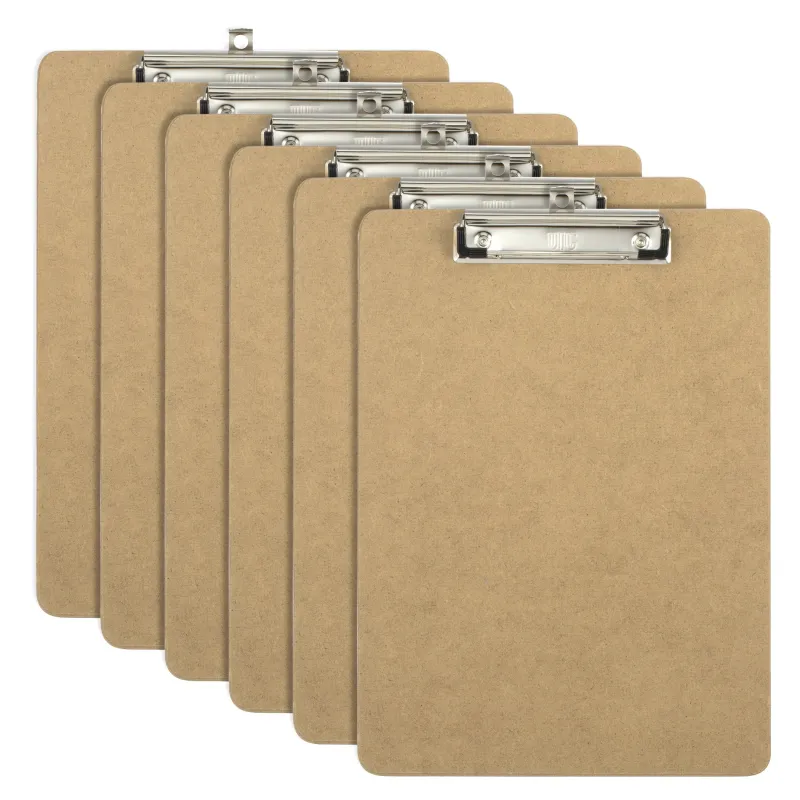
Photo: clipboard guest list at door of small UK music venue, via i5.walmartimages.com
The door of a small venue is not a gate. It's a negotiation with a clipboard. At 7:40 there are thirty-four names on the list and a queue of nine. By 8:15 the support act's van has arrived, the promoter's cousin is outside with two friends, and the sound engineer's partner is asking whether there's room. The room holds eighty. The fire notice says so. The ticket sales say sixty-one. The band says twelve guests. The promoter says eight. Somebody's maths is about to become somebody else's problem.
The Maths of Eighty
Capacity isn't eighty people who want to be there. It's eighty bodies, including the band, the bar staff, the person on the door, the sound engineer and possibly a dog. Guest-list conversations often start from the wrong total. Work out the real headroom first: eighty minus performers minus crew minus a sensible buffer for walk-ups. If you're selling tickets, leave room to sell them. A guest list that swallows the last ten tickets isn't generosity; it's a hole in the night's takings that the promoter will remember at settlement.
Plus-Ones Are Not Small Change
A plus-one is a small kindness that can become a large accounting problem. At an eighty-cap, ten plus-ones is an eighth of the room. The question isn't "do I like this person?" It's "what is this seat doing?" A seat given to a musician's partner is often a seat that keeps the musician calm and playing well. A seat given to a promoter's mate is a favour that might pay back in a future booking. A seat given to a stranger who asked nicely on Instagram is still a seat. All are legitimate. None are free. The mistake is pretending they're weightless.
The Ledger Nobody Audits
Most scenes run on an invisible ledger: I put you on the list for my night, you put me on yours. That's fine until it becomes a currency nobody admits to trading. Trouble starts when the ledger is one-sided — when the same people are always asking and never hosting, always plus-one-ing and never working a door. You don't need a spreadsheet. You need a memory and the willingness to say, gently, "not this one." A scene that never says no isn't generous. It's just avoidant.
What a Door Policy Says About a Scene
You can learn a lot about a music community from how it handles the awkward middle of the guest list: the parent who wants to see their kid's first headline set, the local shop owner who lent the PA, the writer who might review it, the friend who's had a rough month. A policy that only rewards utility — press, promoters, payers — will feel transactional. A policy that rewards only friendship will feel cliquey. The healthiest door policies are a mix, and they're agreed in advance. Not because a list is sacred, but because ambiguity is where resentment breeds.
Four Rules That Keep It Kind
- Cap the list as a percentage, not a vibe. Ten per cent of capacity is a workable starting point for an eighty-cap: eight names, all in, no plus-ones. If the band needs more, it comes out of their guest allocation, not out of thin air.
- Ask for names, not numbers. "Can I have three guests?" is vague. "Can I have Sam, Alex and Priya?" is a list. It also makes the door's job possible and stops the "plus two" that becomes four.
- Decide the plus-one rule before the show is announced. If partners are welcome, say so. If not, say that too. The worst outcome is a door person improvising a policy at 8:50pm while a queue listens.
- Hold one or two community slots per night. Not for friends, not for favours — for the person who lent the gear, the neighbour who tolerates the load-in, the young musician who's never seen this room. It's a small budget line that pays back in goodwill.
The Empty Slot Test
Here's a test I've found useful: if the room is half full at 9pm, would you still be happy with the list? If the answer is no — if the list only makes sense when the night is sold out — then it isn't a guest list, it's a discount scheme. Generosity should be affordable at the worst-attended show, not just the best. That's the difference between a scene that supports people and a scene that uses them.
The guest list is not a perk. It's a small constitution. Eighty seats, a hundred claims, one clipboard. How you resolve that arithmetic is how you tell people what you value. Do it in advance, do it out loud, and do it with enough kindness that the person who gets a no still comes to the next one. In 2026, with costs where they are and rooms this size, that isn't sentimentality. It's logistics with a heart.