Small Rooms, Honest Records: Notes from a Shed Studio in Autumn 2026
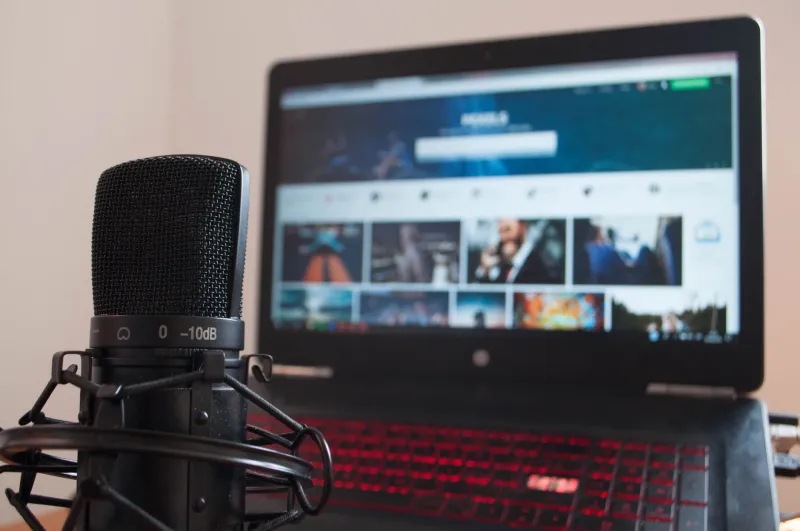
Garden sheds have a reputation problem. In the British imagination they are either a refuge for a man with a soldering iron or a place where a lawnmower goes to die. But some of the most honest records I have heard were made in small rooms with bad carpet and a window that does not shut properly. This autumn I have been working on a new set of songs in an 8ft by 6ft shed at the end of the garden, and it has reminded me why domestic spaces suit certain kinds of work.
The romance and the damp
There is a romance to the shed studio. It sounds like independence, tea, and a world away from the meter. The reality is condensation, a fan heater that clicks every four minutes, and a neighbour who starts mowing just as you press record. The romance is not a lie. It is just incomplete. The useful part is the smallness. A small space forces decisions. You cannot fit a full band in it, so you arrange differently. You cannot hide a weak performance behind a wall of reverb, so you work on the performance.
Across the UK, people are making records in spare bedrooms in terraced houses, on kitchen tables in flats, in community centres and in garden sheds. Some of these rooms have better natural acoustics than studios costing ten times as much. None of them are neutral. That is the point.
What autumn 2026 sounds like
The current project is a set of home recordings: guitars, a small synth, bits of percussion and vocals. The shed has a rug, a bookshelf, a fan heater and more duvets than a person should own. The rain is audible on the roof. Sometimes it stays in the take. I have stopped fighting it. A domestic record should sound like it was made somewhere. If the world leaks in a little, that can be a feature rather than a fault.
I am not trying to make a lo-fi record for the sake of it. I am trying to make a right-fi record: one where the arrangement, the room and the performance agree with each other. The shed is not a limitation to overcome. It is a collaborator with opinions.
Acoustics without a budget
Do not buy foam first. Move the microphone first. A duvet over a clothes horse, a coat behind the singer, a rug on a hard floor, a bookshelf full of paperbacks: these are acoustic tools. Bare parallel walls make a room sound clattery. Break them up. Try the singer facing a corner, then try them facing out into the room. One will sound boxy. One will sound open. Trust your ears, not a forum post.
Close-mic the vocal if the room is noisy. Use a dynamic mic if the room is really noisy. A cardioid pattern helps, but it will not save you from a fridge. Record at the quietest time of day. Use closed-back headphones for tracking and open-back headphones for checking. Learn what your room sounds like before you spend money trying to change it.
Gear that earns its place
A laptop, an audio interface, one decent dynamic microphone, a stand, a cable, headphones and a pop filter will get you a long way. A small condenser is nice if you have one. A second-hand keyboard is nice if it makes you write. A plug-in is not a personality. Gear acquisition is a very sophisticated form of procrastination. The best gear is the gear you understand and can set up in five minutes without swearing.
Also: use an RCD plug. Keep cables tidy. Put a timer on the heater. Do not run an extension lead across a wet lawn. The romantic shed studio still has to obey basic physics.
Boundaries are part of the production
A domestic studio only works if the household agrees to it. Set recording hours. Tell people when you are tracking vocals. Put a sign on the door. Do not record while the dishwasher is on and then act surprised when the dishwasher is on the record. Tidy up after yourself. Keep the shed from becoming a damp cupboard of shame. A routine helps: kettle on, heater on, cables out, work, cables away, door locked.
Neighbours are collaborators whether they like it or not. A friendly word about when you will be making noise is worth more than another acoustic panel. If you can, record drums somewhere else and bring them back as files. The shed does not have to do everything.
Why limitations tell the truth
A big studio can make a mediocre idea sound expensive. A small room makes a good idea sound like itself. That is the argument for recording in sheds, spare rooms and kitchen tables. You cannot hide behind the polish, so you have to make the arrangement carry the song. You have to mean the vocal. You have to choose the one guitar part that matters instead of stacking twelve that do not.
The resulting record may have a bit of rain on it. It may have a chair creak. It may sound like a person in a room. That is not a failure of production. It is evidence of one. The best records are not made in small UK spaces because small spaces are magic. They are made there because someone kept showing up, made a decision, and left the world in the take.
I will post more from the autumn 2026 project as it comes together. For now, the shed is warm enough, the kettle works, and the next take is waiting.