The Logistics of Being Human: What a Small-Room Rider Actually Asks For
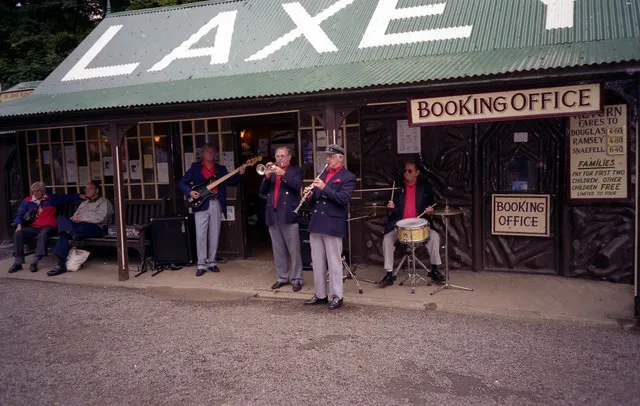
Photo: Dr Neil Clifton, CC BY-SA 2.0, via Wikimedia Commons
The first rider I ever read was less a list of demands than a note from someone who had done this before. It asked for a kettle, a clean mug, a chair with a back, and somewhere to put a coat that was not the floor. It also asked for a named person to speak to on the day. Nobody was being difficult. Somebody was trying to make sure the gig could happen without a small crisis at 6pm.
That is the thing about the small-room rider. In a pub back room or a village hall, it is rarely about champagne and deli trays. It is a document about bodies, weather, time and dignity. It is a love letter in the plainest sense: it assumes the other person wants to do well by you, and it tries to make that easier.
The rider is a translation, not a demand
A rider is often written as if it is a legal document and read as if it is an insult. That is a shame, because the best ones are translations. They take the fuzzy reality of playing a show — we will be tired, we will be cold, we will need to change clothes, we will need to hear each other — and turn it into practical requests.
The small-room rider is also a two-way document. A promoter is not a genie. They are usually a person with a day job, a key to a hall, and a budget that was decided weeks ago. The rider works best when it is specific enough to be useful and flexible enough to be honest. If the room cannot provide a separate dressing room, say so early. A clear no is hospitality too. What damages trust is not a limitation; it is a surprise.
What the kettle is actually saying
A kettle is not a luxury. It is a small machine for restoring a person. A working socket near the stage is not a rock-star demand; it is the difference between a pedalboard that works and a afternoon spent borrowing extension leads from the bar. A chair with a back is not a vanity item; it is what you sit on while you tune, or eat, or try to remember how the second verse goes.
In UK DIY rooms, hospitality is often made of very ordinary things. A village hall with a stage that is really a stack of risers. A pub function room that smells faintly of yesterday’s carvery. A community centre where the heating is on a timer and the caretaker knows exactly where the extra chairs live. These rooms are not lesser venues. They are the places where a scene actually happens, week after week, and the rider is one of the ways we show that we know it.
Dignity is a technical requirement
There is a tendency to talk about hospitality as if it is a nice extra, something between the soundcheck and the merch table. But dignity is a technical requirement. If an artist has nowhere to change except a toilet with a broken lock, they will spend the evening thinking about that instead of the set. If there is no named contact, they will spend the afternoon sending messages into a group chat and hoping. If the fee and expenses are vague, they will spend the night doing maths in their head.
None of this is precious. It is the baseline for doing good work. A promoter who sorts the small things is not being soft; they are being professional. An artist who asks for the small things is not being difficult; they are being clear. The rider is where those two kinds of professionalism meet.
A fair and workable 2026 rider
This is not a wish list. It is a starting document — the sort of thing that can be sent to a village hall committee or a pub landlord without causing a scene. Keep it short, make it specific, and mark clearly what is essential and what is nice-to-have.
- A named day-of contact, with a mobile number, who is not a group chat.
- Load-in details: parking, door widths, stairs, and whether there is step-free access.
- A safe place to leave cases and instruments that is not a fire exit or a toilet.
- At least two working power sockets near the performance area, with a note if extension leads are needed.
- Access to drinking water and a kettle. Mugs are good. Milk and a dairy-free option are a bonus, not a test.
- Somewhere to sit that is not a beer crate.
- A changing space with a door that shuts. A mirror is optional; privacy is not.
- Heating in winter and ventilation in summer. Village halls have their own weather systems.
- A clear meal arrangement, or permission to bring food. Ask about dietary needs rather than assuming them.
- A merch table with enough light to read a price list.
- A soundcheck window and a curfew that everyone has agreed in writing.
- Fee, expenses and payment terms confirmed before the day. Door splits should be explained, not improvised.
- First aid, fire exits and a quiet corner for anyone who needs one.
The point of the checklist is not to turn the gig into a bureaucracy. It is to remove the small uncertainties that eat into a day. A rider that fits on one page is more likely to be read than a rider that reads like a tenancy agreement.
The small things are the scene
A scene is not built by the headline acts alone. It is built by the person who puts out the chairs, the person who checks the radiators, the person who remembers that the band asked for a quiet place to warm up. The rider is a love letter because it says: I am coming to your room, I want to do this well, and I am asking you to meet me halfway.
In 2026, as much as ever, that is worth writing down.