The Quiet Middle of the Week: Why Wednesday Rooms Listen Differently

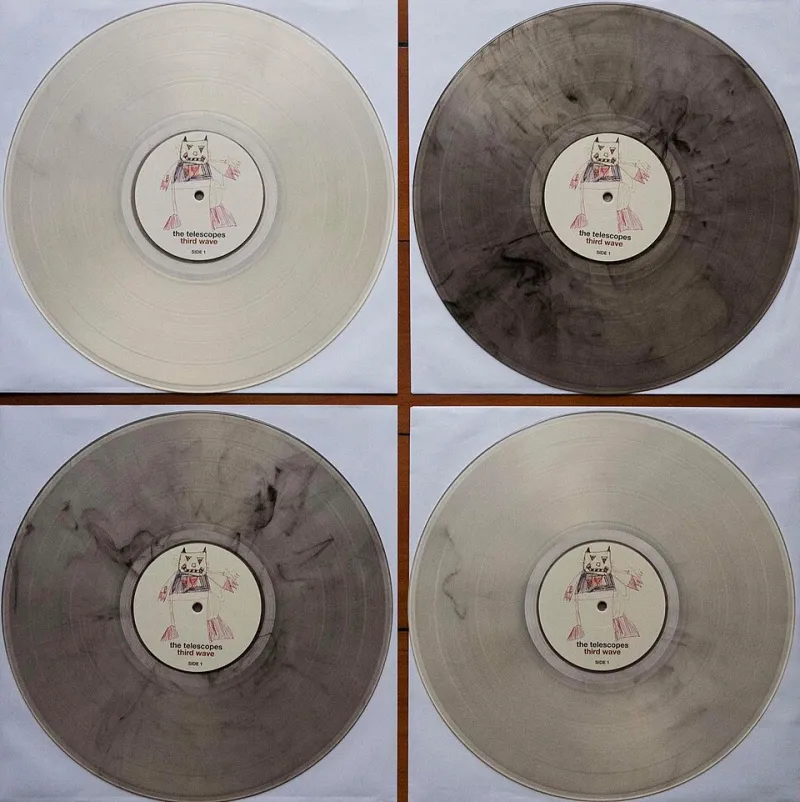
Photo: BorgStorm, CC BY-SA 4.0, via Wikimedia Commons
The room tells you something on a Wednesday
I’ve spent a fair bit of this autumn in rooms that were never designed for a big night out. A village hall with a stack of folding chairs and a tea urn in the corner. The back room of a pub where the ceiling is low enough to make a double bass look ambitious. An arts centre in a market town where the audience sits in a loose semicircle and the radiators tick through the quiet bits.
Wednesday audiences are not better people. They are simply people who have made a different sort of decision. They have not drifted in because it is Friday and the week is over. They have looked at the diary, worked out the trains, arranged cover for the kids or the dog, and come out on a night that does not advertise itself as a night out. That changes the room.
A different contract between artist and audience
On a Saturday, the audience and the artist are often negotiating. The crowd wants a night; the artist wants attention; the venue wants a bar take. Nobody says this out loud, but it is in the air. On a Wednesday, the contract is simpler. The audience has come for the thing itself. They are more likely to listen to a song they do not know. They are less likely to talk through the support act. They ask better questions afterwards, and they are less embarrassed about asking them.
I have noticed this most clearly in small rooms. Forty people on a Wednesday can feel like a full house. Two hundred on a Saturday can feel like a corridor. That is not a complaint about weekend audiences. It is an argument about what we ask a midweek show to be.
The promoter’s arithmetic and the artist’s reality
Promoters are not being sentimental when they treat Wednesday as a warm-up. The arithmetic is real. Staffing costs, travel, curfews, the risk of a room that stays half full. A weekend show is easier to sell because the story is already written: it is the weekend, come out. A Wednesday show needs a different story, and stories cost time.
But the artist’s reality is different. A midweek show is often the only place where you can try the thing you are not sure about. The new song that does not yet have a finish. The slower arrangement. The spoken section that might not work. Weekend crowds are lovely, but they arrive with expectations shaped by the listing. Midweek crowds arrive with curiosity, and curiosity is a more useful material for a performer.
What a midweek show asks of you
It asks you to programme, not just perform. A Wednesday set can be shorter and more conversational. It can include the song you are still learning. It can leave space for a question, a story, a false start. It can be the place where the next record is tested before it is announced.
That is not a lesser job. It is a different job. The mistake is to treat a midweek gig as a weekend gig with fewer people. If you play the same set, at the same volume, with the same between-song patter, you are asking a curious room to behave like a distracted one. It will not work. The room will tell you.
Small rooms, real attention
I am not going to pretend the economics are easy. They are not. A Wednesday show in a small room can be a hard sell, and nobody should be asked to subsidise a fantasy. But the value is not only in the door. It is in the attention. It is in the audience member who comes up afterwards and asks about the tuning. It is in the promoter who can try a triple bill because the room is small enough to risk it. It is in the artist who leaves with a better song than they arrived with.
In 2026, we are spoiled for ways to stay at home. That is exactly why the midweek show matters. It is a deliberate act of leaving the house on a night that does not demand it. The people who do that are not a warm-up audience. They are the audience.
Stop calling it a warm-up
So here is the small ask. Promoters: programme Wednesday as its own thing, not as a preview of Friday. Artists: play the room you are in, not the room you wish you were in. Audiences: give a Wednesday a go, especially in the smaller places. The week has a middle. It might as well have a gig in it.